Here to help: 0161 518 0825 | info@gofirstaid.co.uk
GO! First Aid provides blended first aid training across Manchester and Greater Manchester, combining flexible online learning with instructor-led practical training.
Blended options are available for workplace and paediatric first aid courses, helping reduce classroom time without removing the essential hands-on training.
Flexible online learning
Instructor-led practical training
Less time in the classroom
Workplace and paediatric courses available


What is Blended Learning?
Workplace first aiders
Schools and nursery staff
Childminders and early years practitioners
Healthcare and support workers
Businesses training groups of employees
Individuals booking onto an open course


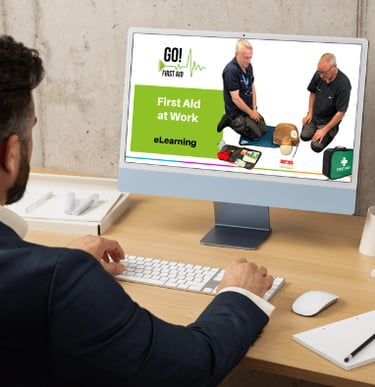
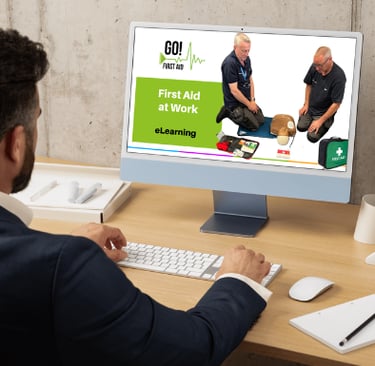
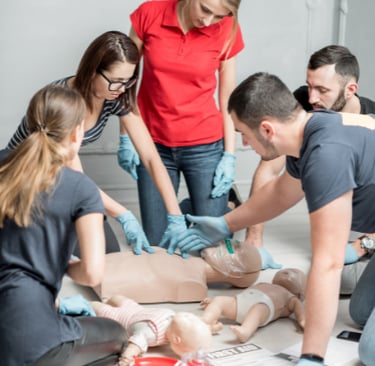
Blended first aid training combines online theory with face-to-face practical training. Learners complete the knowledge-based element online before attending an instructor-led practical session to develop and demonstrate their first aid skills.
Step 1 – Online Learning
Complete the theory at your own pace before your practical session.
Accessible on any device
Pause and return anytime
Learn key first aid principles
Prepare for your practical session
Blended First Aid Training
Step 2 – Practical Training
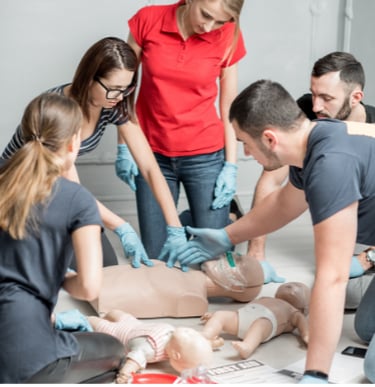
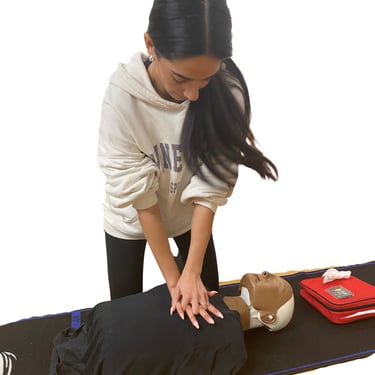
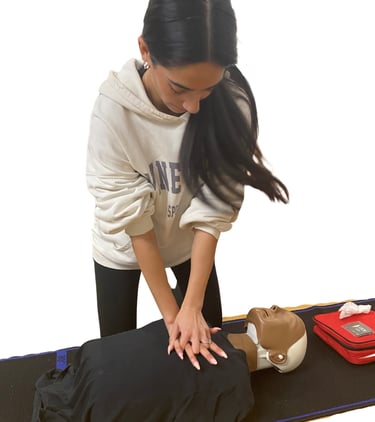
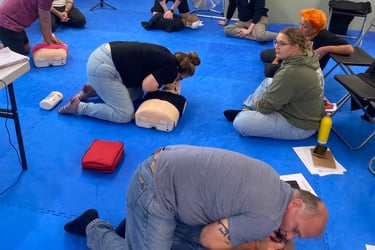
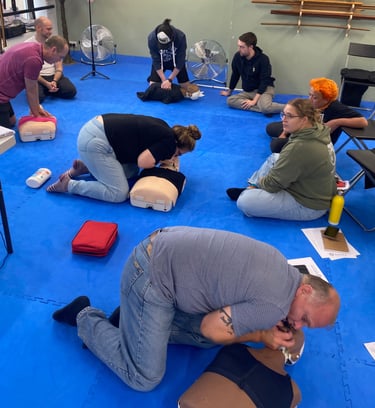
Attend an instructor-led, face-to-face practical session where you will practise and demonstrate the first aid skills required for your course.
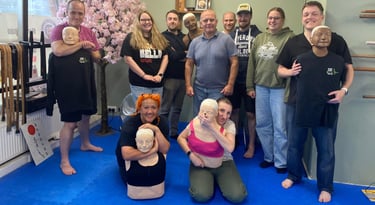
Hands-on CPR practice
AED training
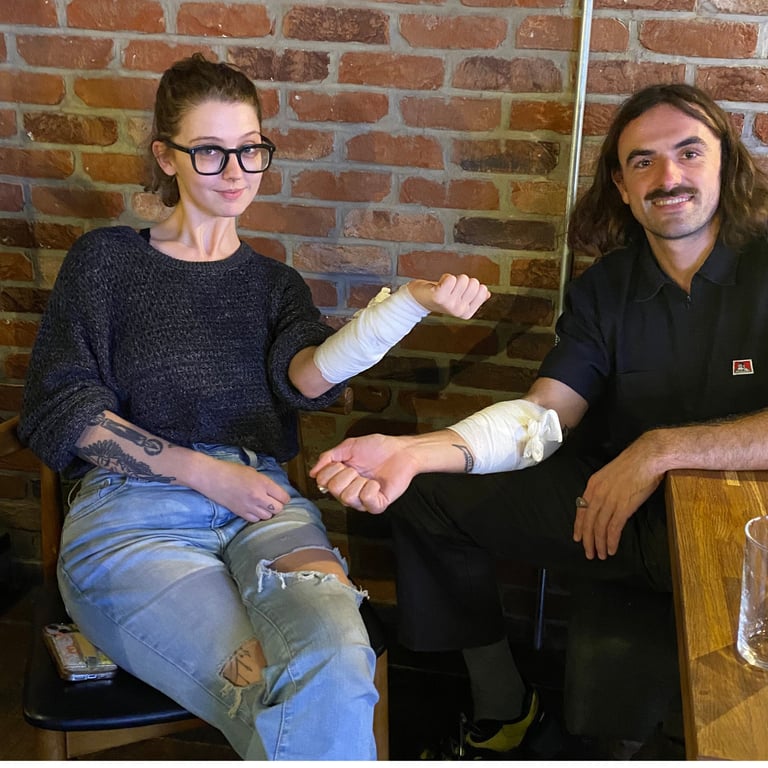
Practical first aid scenarios
Instructor-led exercises and assessment
How it works
Step 3 – Complete Your Course
Once both the online and practical elements have been successfully completed, you will receive the certificate applicable to your chosen first aid course.
Online and practical elements completed
Practical skills assessed by an instructor
Certificate issued for the course completed
Why choose blended learning?
Who is blended learning suitable for?
Blended learning can be a practical option for organisations and individuals who want greater flexibility while retaining essential face-to-face practical training.
✓ Complete theory at a time that suits you
✓ Reduce time away from work or your setting
✓ Learn online before attending practical training
✓ Develop hands-on skills with an instructor
✓ Available for selected workplace and paediatric courses


Which first aid courses are available as blended learning?
GO! First Aid offers blended learning options for a range of workplace and paediatric first aid courses across Greater Manchester.
Emergency First Aid at Work (EFAW)
Online learning + instructor-led practical training
First Aid at Work (FAW)
Online learning + instructor-led practical training
First Aid at Work Requalification (FAWR)
Online learning + instructor-led practical training
Paediatric First Aid (PFA)
Online learning + instructor-led face-to-face practical training


GO! First Aid's blended courses are suitable for individuals and organisations across Greater Manchester, including:
Book your blended first aid training
Let's GO!
Choose an open course or contact us to arrange blended first aid training for your team.
Q: What is blended first aid training?
A: Blended first aid training combines online theory with instructor-led, face-to-face practical training. Learners complete the knowledge-based element online before attending their practical session to develop and demonstrate the required first aid skills.
Q: How does blended learning work for first aid courses?
A: Learners complete the online element of their chosen first aid course before attending an instructor-led practical training session. The practical session includes hands-on activities such as CPR, AED use and first aid scenarios, with assessment appropriate to the course being completed.
Q: Do I need to complete the online training before attending the practical session?
A: Yes. The online element must be completed in full before attending the practical training. Learners should allow enough time to complete their online learning before their booked practical date.
Q: What happens if I don't complete the online learning in time?
A: If the online element has not been completed before the practical training date, you may not be able to attend the session and may need to reschedule. Please contact GO! First Aid as soon as possible if you are having difficulty completing your online learning.
Q: How long does the online learning take?
A: The length of the online element depends on the course being completed. Our FAIB-certified first aid courses can include approximately 3, 6 or 12 hours of online learning, while some refresher courses may take around 1 hour. Online learning can usually be completed in multiple sessions before the practical training date.
Q: Do I need to attend the practical training in person?
A: Yes. Blended first aid training includes an instructor-led, face-to-face practical element. The online learning covers part of the course, but practical skills must be developed and assessed during the practical training.
Q: Will I receive a certificate after completing a blended first aid course?
A: Yes. Once you have successfully completed both the online and practical elements and the required assessments, you will receive the certificate for the first aid course you have completed.
Q: Can blended first aid training be delivered for workplace groups?
A: Yes. GO! First Aid provides blended first aid training for workplace groups across Greater Manchester. Learners complete the online element individually before attending practical training with an instructor at your workplace.
Q: Which first aid courses are available as blended learning?
A: GO! First Aid offers blended learning options for Emergency First Aid at Work (EFAW), First Aid at Work (FAW), First Aid at Work Requalification (FAWR) and Paediatric First Aid (PFA), with training available across Manchester and Greater Manchester.
FAQs
Blended Learning
© 2026. All rights reserved.
We can help you choose the right course and delivery method based on your workplace or setting, team size and first aid training requirements
Contact us for guidance.
or visit the HSE website
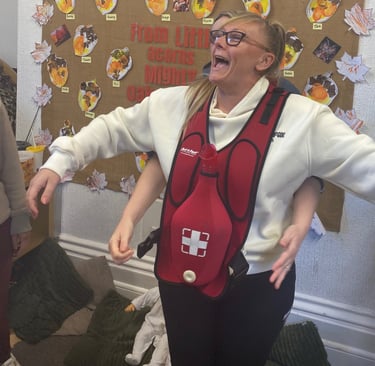
Not sure which first aid course you need?
Looking for first aid training in Greater Manchester? Get in touch with GO! First Aid and we'll help you find the right course or training option.
GO! First Aid
0161 5180825
info@gofirstaid.co.uk
First aid training across Greater Manchester
© 2026. All rights reserved. VAT No. 254490693



Home